
HydroAR
Product Designer — AR application that reimagines hydrology education through interactive 3D models and AR simulations, turning abstract concepts into tangible, memorable classroom experiences.
Impact
- 17.38% faster task completion
- 23% boost in knowledge retention
- 30% higher user satisfaction
- Transformed static learning into dynamic experiences
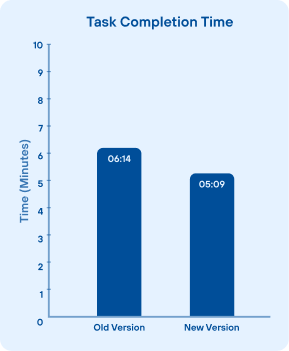
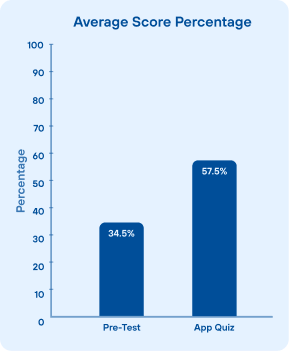
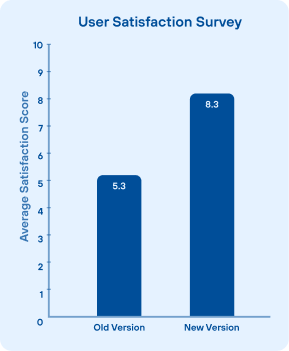
Achievements
35 students participated in total across user interviews, usability testing, and user testing (including A/B testing).
Implemented voice features to boost engagement.
Introduced A/B testing and rapid iteration cycles.
User Testing
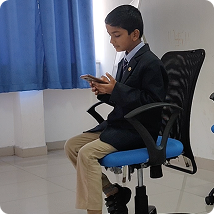
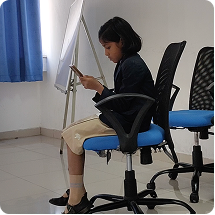
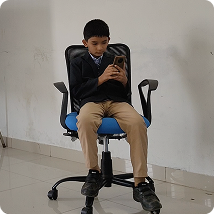
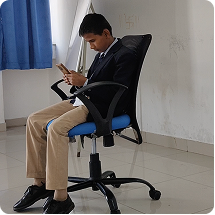
At Podar International School, 35 students participated in observation sessions, usability testing, and A/B tests — validating design decisions with real-time feedback in the classroom.
About
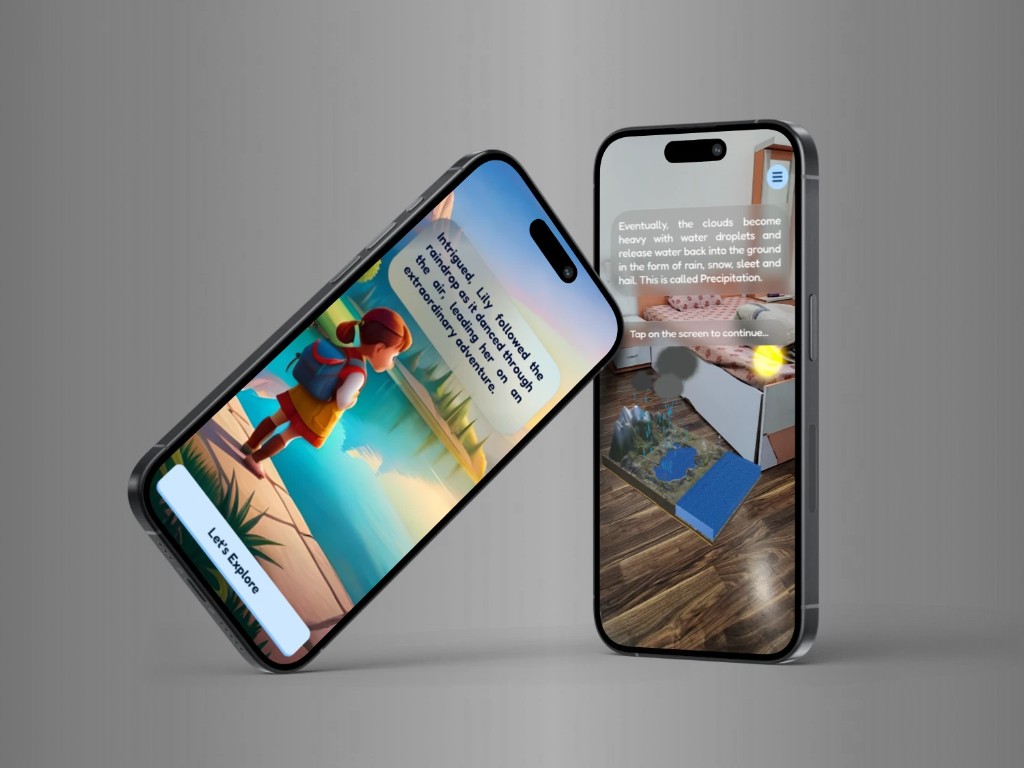
HydroAR's library of interactive modules, featuring lifelike 3D models and AR simulations, stood as a testament to the successful integration of technology into education. These modules provided students with an unprecedented level of engagement, turning abstract concepts into tangible, memorable experiences.
The app's user-centric design ensured a seamless experience for both students and educators. From onboarding to collaborative features, the intuitive user flow facilitated exploration, interaction, and performance tracking, contributing to the overall success of the project.
Overview
HydroAR leverages AR to reimagine hydrology education. Testing at Podar International School revealed an opportunity to better support struggling students.
Incorporating real-time feedback into structured tests drove measurable improvements in efficiency and comprehension. Cross-disciplinary collaboration was key to overcoming technical challenges.
Through a user-centric approach and continuous iteration, HydroAR evolved into an interactive platform that makes learning tangible. Students explore AR models, gaining insights into complex systems.
Design Principles
Throughout the app design process, we adhered to key principles:
- Prioritizing the user experience
- Ensuring visual and functional consistency
- Facilitating seamless navigation and item retrieval
- Optimizing readability
- Enhancing touchscreen usability
Conclusion
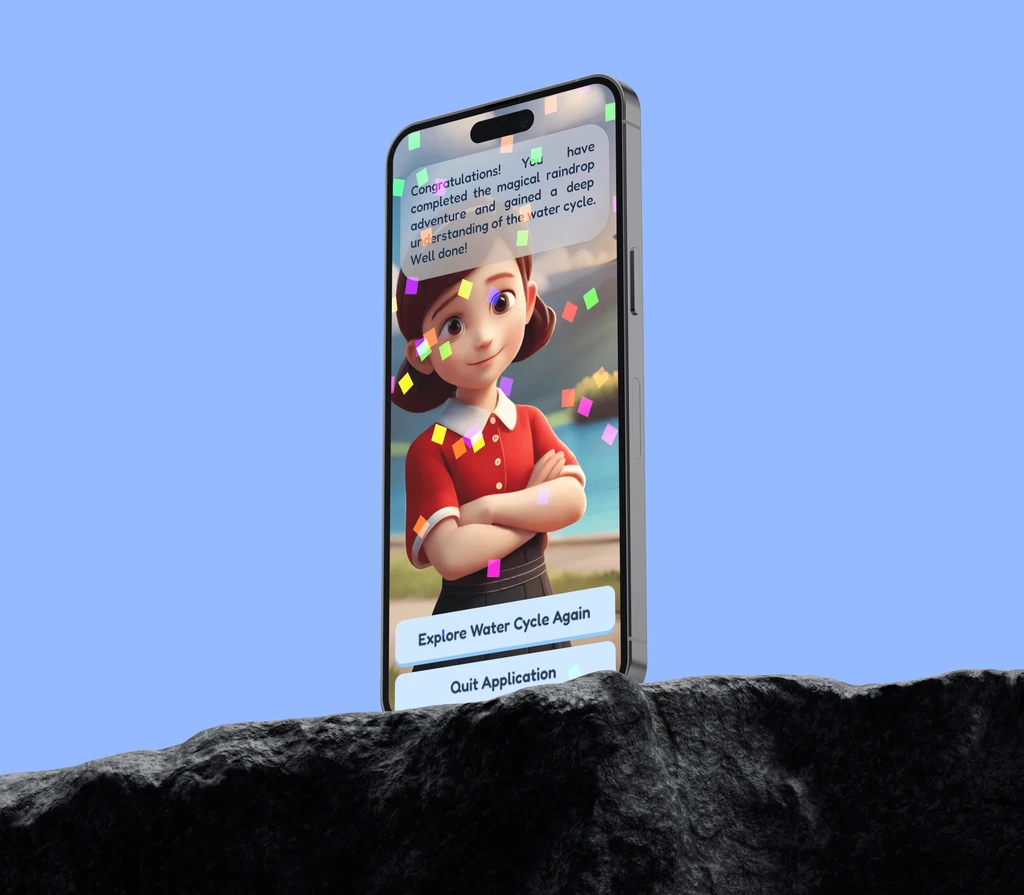
This experience reinforced the immense value of soliciting user insights early and often. By allowing learners to guide design decisions, HydroAR transformed static content into engaging AR. While the tangible results are encouraging, the true impact is sparking future innovations at the intersection of technology and education. The journey continues as we uncover new ways to inspire.
Interested in exploring the complete Figma design file and going through the project details? Schedule a call.